Prams and Pushchairs for Newborns: A Comprehensive Guide
Inviting a newborn into the world is one of the most jubilant occasions for households. As read more and dads prepare to bring their youngsters home, the alternatives for baby transport can be overwhelming. Prams and pushchairs are 2 popular options that serve different requirements and preferences. This guide offers a comprehensive look at prams and pushchairs, helping parents make an informed choice.
Understanding Prams and Pushchairs
Before diving into the specifics, it's important to differentiate between prams and pushchairs.
Prams
Prams, likewise called baby carriages, are created primarily for newborns and really young babies. They provide a flat, reclined position, which is essential for infants who can not support their heads. Prams generally include:
- Flat Bassinet: Allows for safe lying down.
- Stylish Design: Often more standard with a vintage aesthetic.
- Heavy Frame: More robust however less portable.
Pushchairs
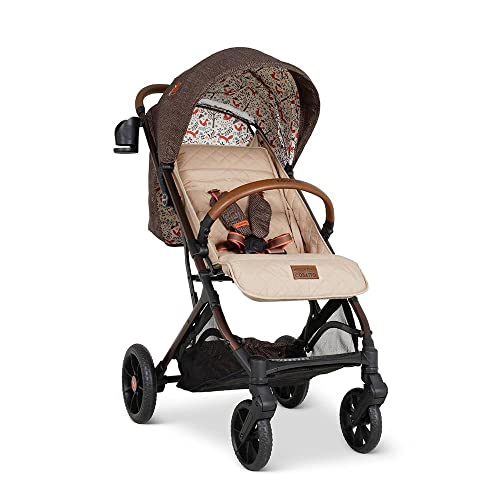
Pushchairs, or strollers, are more flexible and suitable for older infants and toddlers. They feature adjustable seat positions, making them suitable for kids who can sit up unaided. Pushchairs usually have:
- Upright Seating: Provides support for babies who can stay up.
- Lightweight Frame: Easier to fold and carry.
- Compact Design: Generally more maneuverable in tight spaces.
Key Differences Between Prams and Pushchairs
| Feature | Prams | Pushchairs |
|---|---|---|
| Ideal Age | Newborn to around 6 months | 6 months and older |
| Seating Style | Flat lying position | Upright or reclined |
| Portability | Often much heavier and bulkier | Generally lighter and more compact |
| Usage Case | Suitable for leisurely walks | Great for everyday use and travel |
| Storage Space | Larger, less foldable | More foldable, easier storage |
Choosing the Right Model for Newborns
When picking the right pram or pushchair for a newborn, moms and dads ought to consider a number of factors including safety, comfort, and performance. Here's a checklist to help in the decision-making procedure:
Safety Features
- Five-point Harness: A durable harness that protects the baby safely.
- Brakes: Easily available brakes to stop motion.
- Stability: A wide base to prevent tipping over.
- Quality Materials: Non-toxic and long lasting fabrics.
Convenience
- Padding: Soft padding for a comfortable ride.
- Canopy: Adjustable sunshade to protect from UV rays.
- Ventilation: Breathable materials for convenience in all climate condition.
- Suspension System: Smooth ride even on rough terrain.
Performance
- Weight: Consider how heavy the pram or pushchair is for easy handling.
- Foldability: Easy to fold for transport and storage.
- Compatibility: Ability to attach to a safety seat or baby provider.
- Storage Basket: Sufficient area for bring baby essentials.
Popular Models on the Market
Here are some popular prams and pushchairs understood for their quality and performance:
Top Prams
| Model | Features | Rate Range |
|---|---|---|
| Bugaboo Fox 5 | Light-weight, customizable, and multi-terrain | ₤ 1,200 - ₤ 1,400 |
| Silver Cross Wayfarer | Classic style, luxury finish, and foldable | ₤ 1,000 - ₤ 1,200 |
| UPPAbaby Vista V2 | Multiple seat setups, large storage | ₤ 1,099 - ₤ 1,299 |
Top Pushchairs
| Design | Functions | Rate Range |
|---|---|---|
| Baby Jogger City Mini 2 | Light-weight, compact fold, and all-terrain | ₤ 300 - ₤ 400 |
| Britax B-Lively | Comfortable seating, great suspension, and safety | ₤ 250 - ₤ 350 |
| Chicco Bravo Quick-Fold | One-hand fold, roomy, easy to handle | ₤ 200 - ₤ 300 |
Regularly Asked Questions
1. At what age can I shift my baby from a pram to a pushchair?
The majority of babies can transition to a pushchair around 6 months, once they can stay up individually. Constantly examine specific item standards for specific suggestions.
2. Are prams or pushchairs much better for travel?
Pushchairs are normally better for travel due to their lightweight and foldable designs. Nevertheless, some travel systems include prams that can easily transform to a cars and truck seat.
3. How do I maintain my pram or pushchair?
Regular cleaning is necessary. Wipe the frame with a moist fabric, and look for wear on wheels and brakes. Constantly describe the maker's care guidelines.
4. Can I take a pram or pushchair on public transportation?
The majority of pushchairs are created for public transport and can be folded easily. Prams might vary by style, so it's a good idea to inspect dimensions and ease of folding.
Selecting the ideal pram or pushchair for a newborn is a vital choice for brand-new parents. By understanding the differences in between the 2 and considering security, convenience, and functionality, moms and dads can choose a model that fits their way of life. With many excellent alternatives available, there's an ideal fit for every household, prepared to support brand-new experiences and cherished memories.